
Mauritius
Multigenerational Mauritius: 10-Day Family Itinerary
Overview
Mauritius is approximately 65km by 45km, which is the fact that makes this 10-day Mauritius family itinerary possible. One villa on the coast reaches the whole island, so across ten days nobody takes an internal flight or repacks a suitcase, and there is room for four exploration days and four with nothing in the diary at all. The practicalities are forgiving for a travelling multigenerational family: the island is malaria-free, English is the official language with French spoken everywhere, and an offshore reef holds the lagoon flat enough for a five-year-old and a seventy-five-year-old to swim the same water.
The best family trips have a shape. A few days everyone will still be talking about in five years, and enough space around them that nobody is exhausted when they happen. This one has four.
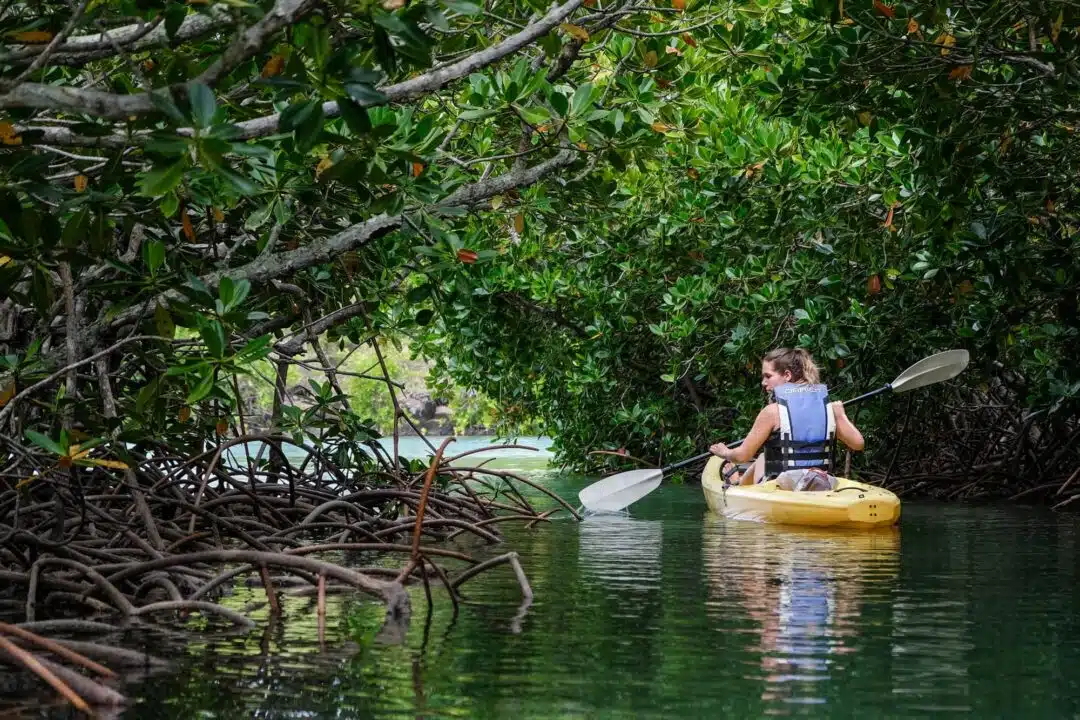
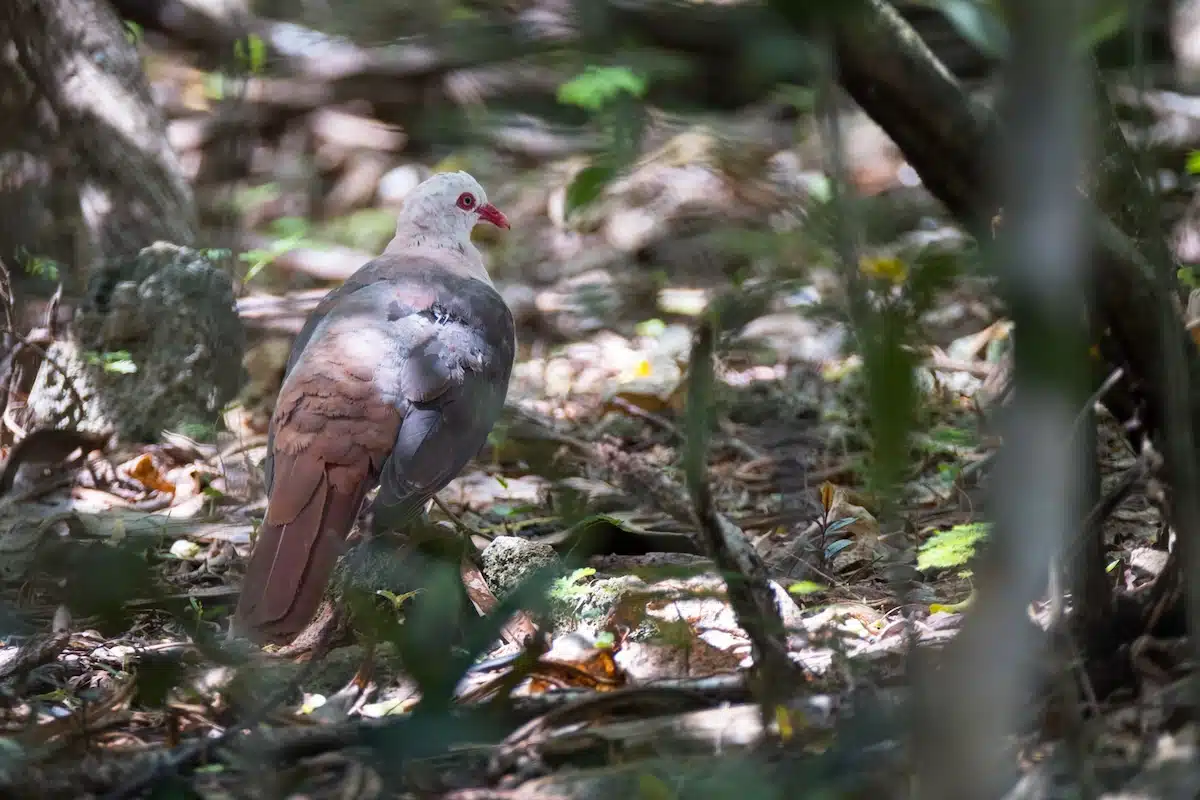
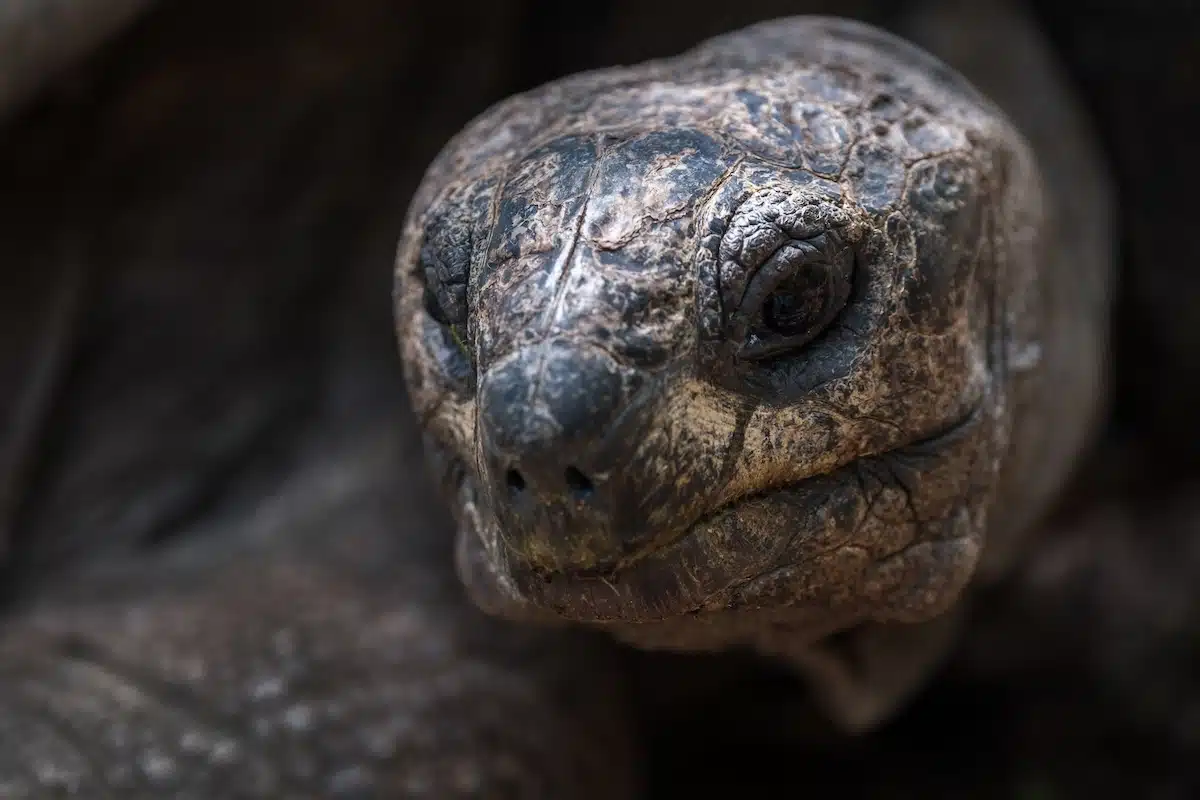
A morning paddling silent, non-motorised kayaks through mangrove channels where juvenile fish shelter before they ever reach the reef. A day in the forested highlands planting endemic trees on a reserve rebuilding a forest Mauritius almost entirely lost. A morning eating through the markets of the capital with a guide who can explain how four migrations became one cuisine. And a day under a traditional sail to an island reserve where giant tortoises graze loose among endemic trees and the pink pigeon, once down to about ten birds, holds on.
Between them sit four days where nothing is planned at all.
It is also, quietly, a conservation trip. Not in the sense of hard work or hair shirts, but in the sense that each of those four days puts the family inside something real: a protected ecosystem, a restoration site, a living culture, and a species-recovery programme funded by the people who come to see it. Children absorb that without being taught it, which is rather the point.

Day 1 — Landing, and Nothing Else
Private transfer from SSR International Airport to Constance Belle Mare Plage, roughly an hour up the east coast.
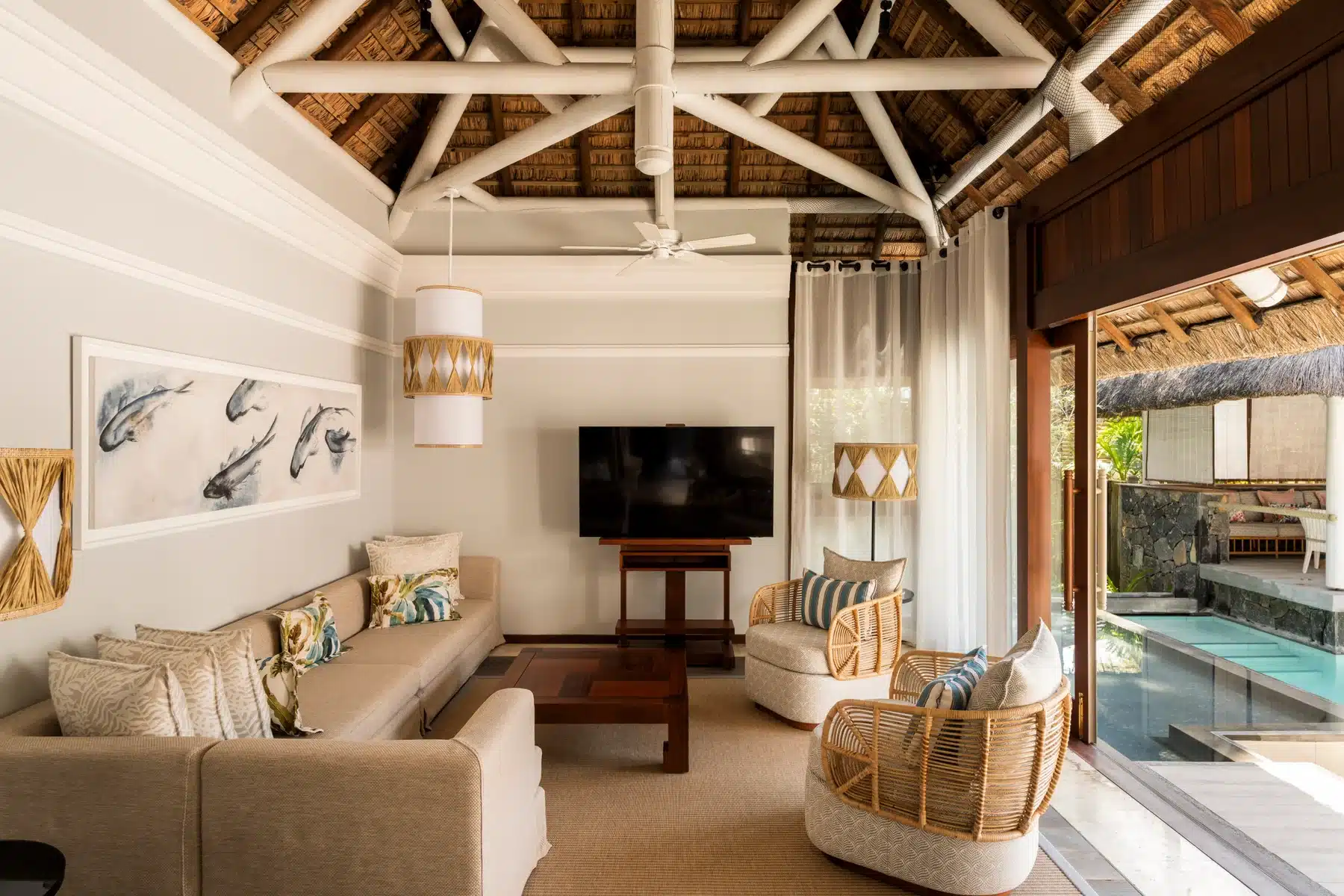
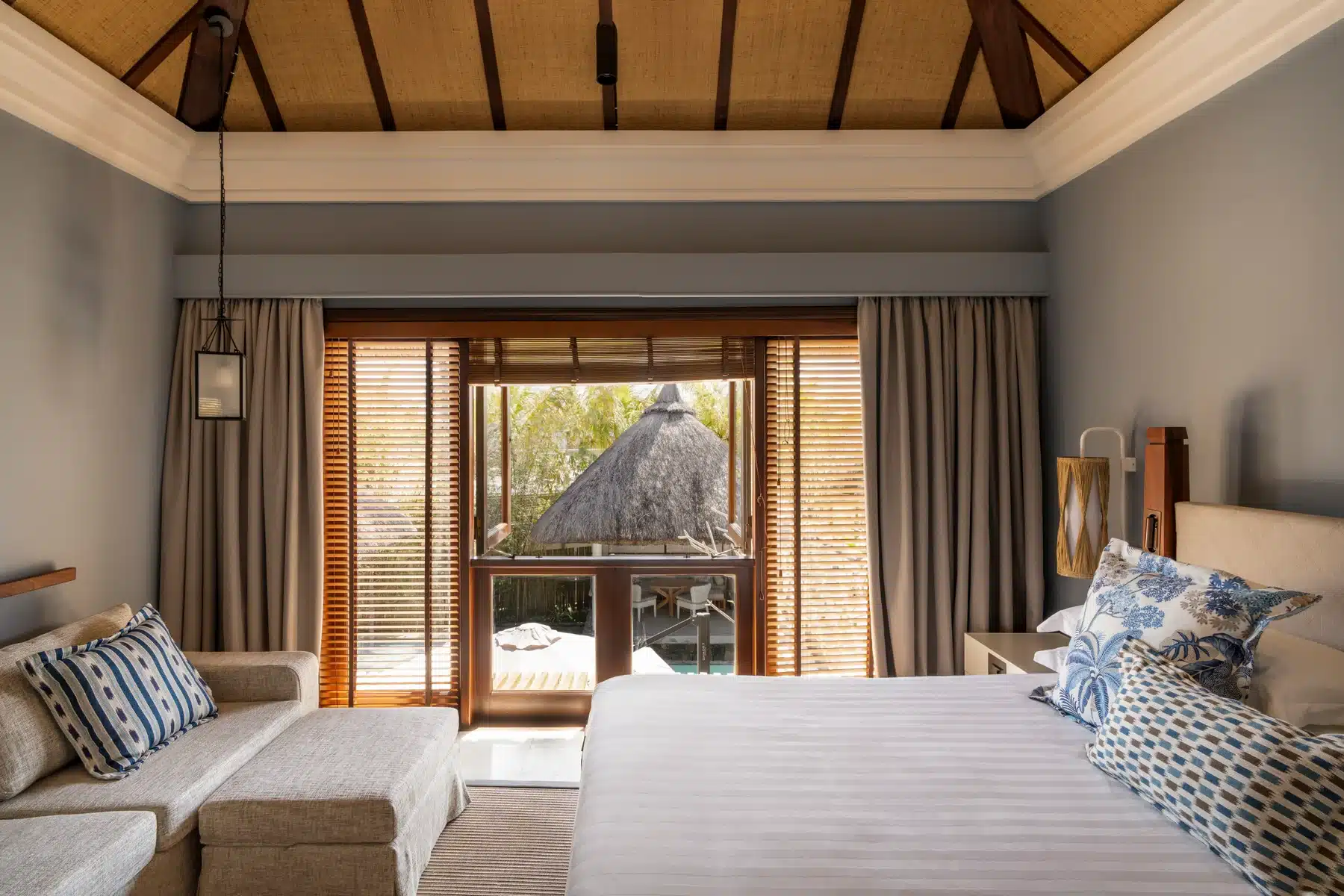
The villas sit at the northern edge of the resort, with two or three bedrooms, a private heated pool and a walled garden. Villa master service is included, which for a multigeneration family travelling together is the difference between a holiday and an administrative exercise.
Swim, sleep off the flight, eat early. The week starts tomorrow.
Day 2 — The Day Nobody Sets an Alarm
The first free day is deliberately the first, because bodies arriving from a long-haul flight, particularly the oldest and the youngest, need a day that asks nothing of them.
Four swimming pools, two kilometres of beach behind the reef, water sports, a spa, and two 18-hole championship courses, Legend and Links. The Constance Kids’ Club takes children aged four to eleven, and babysitting can be arranged.
One useful job for today: Ask the villa master to book the golf, spa and kids’ club slots for the week before they fill.
Day 3 — Paddling the Mangrove Channels at Île d’Ambre
We drive north about 35 minutes, and launch by sea kayak for Île d’Ambre, an uninhabited island in the lagoon off the north-east coast.
No engines, which is the point: mangrove channels are nurseries, and the quietest way through them is also the only way to see anything.
The water inside the reef is flat, and the distances are short. The interest begins where the channels narrow and the mangrove closes overhead.
Our guide takes it slowly – why the stilt roots trap sediment and hold the shoreline against surge. Why juvenile fish shelter here before they reach open water, and what that means for the fishermen working the lagoon outside.
Between January and April you may see propagules, the long green seed spears, dropping and rooting in the mud.
Children can come from the age of five, sharing a double kayak with a parent.
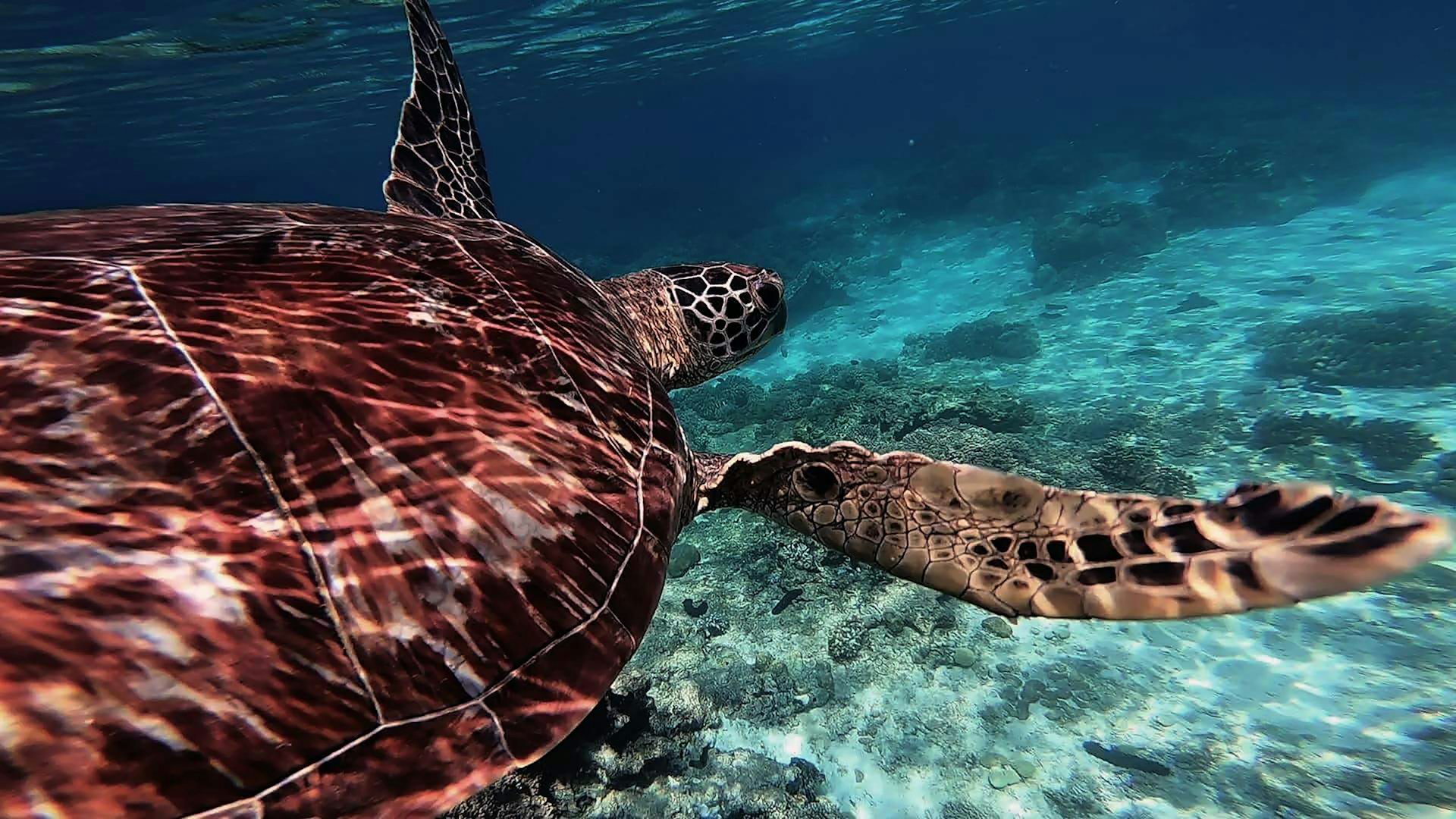
The channels themselves are not snorkelling water, and that is the point: mangrove sediment is what holds the carbon, so the water inside them is soft and clouded by design. The lagoon outside is a different matter, shallow and clear over sand and seagrass, and the sheltered edges near the island are worth an hour of snorkelling in the water once the paddling is done.
Day 4 — Reef, Pool, Repeat
No plan. The reef in front of the resort is snorkellable, the pool is heated, and the beach runs long enough that a walk before breakfast is worth setting an alarm for even on a day when nobody has to.
If the family wants structure, this is a good day for golf, a spa afternoon, or the glass-bottom boat. If it doesn’t, that’s the better outcome.
Day 5 — Into the Highlands: A Day in Chamarel
This is the day that justifies its own drive. Chamarel is a village in the forested uplands of the south-west, above the coastal plain and on the edge of Black River Gorges National Park, the island’s largest protected forest.
The landscape here is nothing like the coast: cane and pineapple fields, ravines, cloud on the peaks, and roads that climb. It is roughly an hour and 40 minutes from Belle Mare, and the drive is part of the day rather than an interruption.
Ebony Forest Reserve.
A 50-hectare nature reserve, bought as invaded forest in 2005, with replanting from 2006. You walk the easy route on maintained trails and a raised canopy walkway rather than steep ground, standing under ebony that has been growing here for over three centuries. Seven of the island’s nine surviving endemic bird species live in the reserve.
Then the planting. Endemic seedlings raised in the reserve’s own nursery go into ground cleared of invasive species first. This is not a ceremonial tree with a plaque: it is a working restoration site, and what the family puts in the ground stays part of it. Children tend to take to this more readily than anything else on the trip, because it is a job with a visible result.
The Seven Coloured Earths.
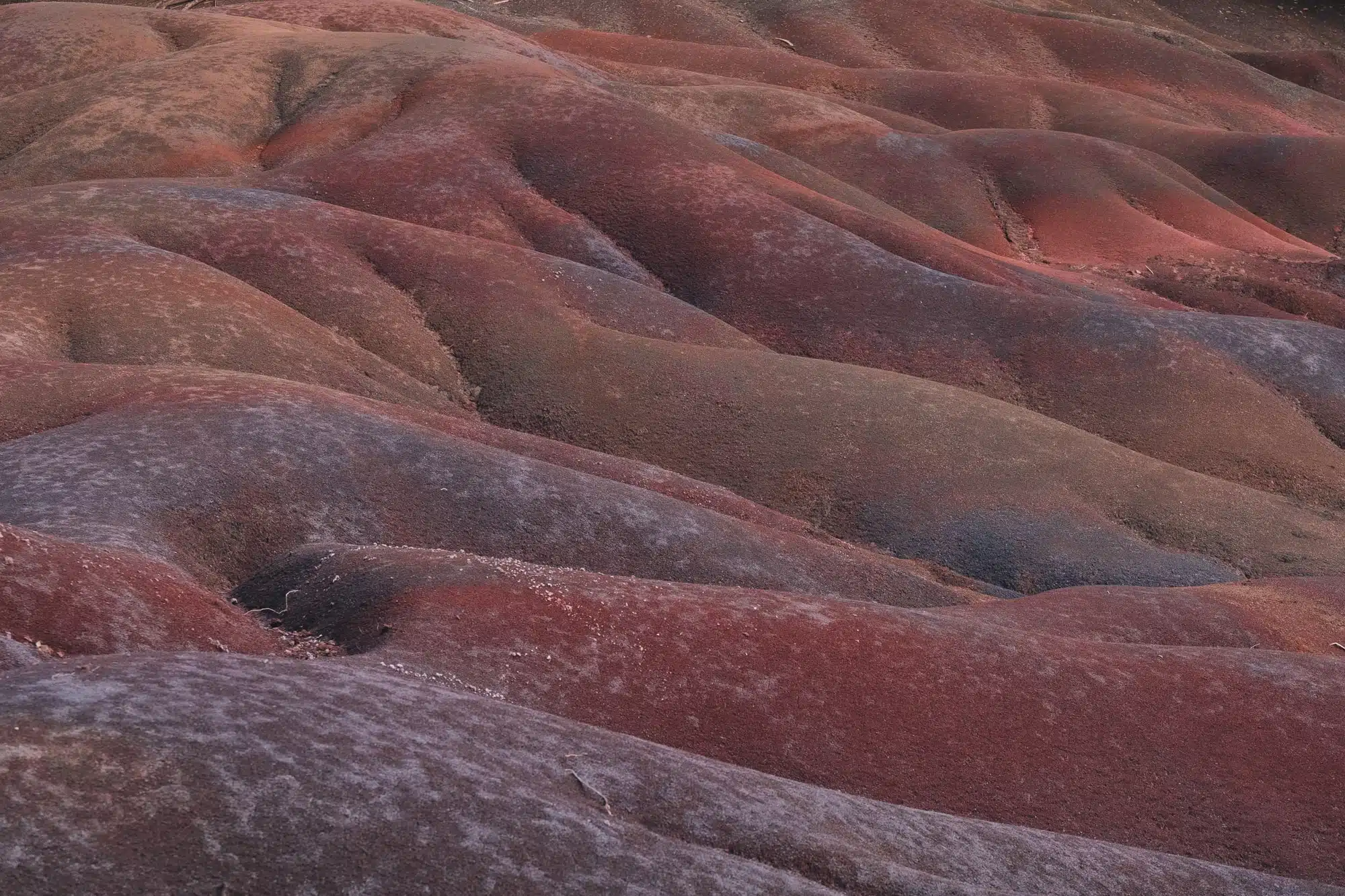
A few minutes away inside the Chamarel Geopark. Dunes of red, brown, violet and green volcanic sand, first documented in 1879 by the Royal Society of Arts and Sciences of Mauritius. The same park holds two viewpoints onto the Chamarel waterfall, which falls around 100 metres in a single unbroken drop, and an enclosure of Aldabra giant tortoises. Short distances, level paths, and the stop where the youngest members of the group stop asking how long is left.
Rhumerie de Chamarel.
An estate distillery producing agricultural rum from sugarcane grown on site, set among cane and pineapple fields. The guided tour runs about thirty minutes in English or French and follows the process from cane crushing to barrel. A private tasting for the adults, local tropical fruit juice for the children, and a restaurant on site if the family wants to eat before the drive back.
Late return to the coast. Plan on nothing more than dinner.
Day 6 — The Day After the Big Day
Placed here on purpose. Yesterday was long hours in a vehicle and a full day on foot, and this is the day it catches up with people. Late breakfast, and no ambitions beyond the pool.
Day 7 — Eating Your Way Through Port Louis
Port Louis is the capital and the country’s working port, set in a natural harbour beneath a ring of mountains. The Dutch used the anchorage from the early 1600s, and the French built the city out from 1735 under the governor Mahé de La Bourdonnais, who made it the seat of government and a naval base on the route to India. Around 150,000 people live there. It is a commercial city rather than a preserved one, and its market district is where the island’s four migrations sit within about a kilometre of each other, each with its own trade, food and calendar.
About an hour up the coast, then out of the car and walking with a Mauritian guide, through the Central Market, Chinatown and the streets around the Jummah Mosque.
You eat as you go. Dholl puri, the split-pea flatbread folded around bean curry that is the island’s everyday street food. Gâteaux piments, fried chilli and lentil cakes. Samoussas, boulettes in broth, alouda if the day is hot. It is the most efficient way to understand how four migrations became one nation, and it happens to be the format children handle best, because nobody has to sit still.
Afternoon. Back by mid-afternoon.
Day 8 — Under Sail to Île aux Aigrettes
Drive south to Mahébourg, roughly an hour, and board a traditional wooden pirogue under a single lateen sail. Fibreglass hulls have largely replaced these in the working fleet, and the type now survives mainly through the heritage regattas out of Mahébourg and Grand Gaube.
Île aux Aigrettes Nature Reserve
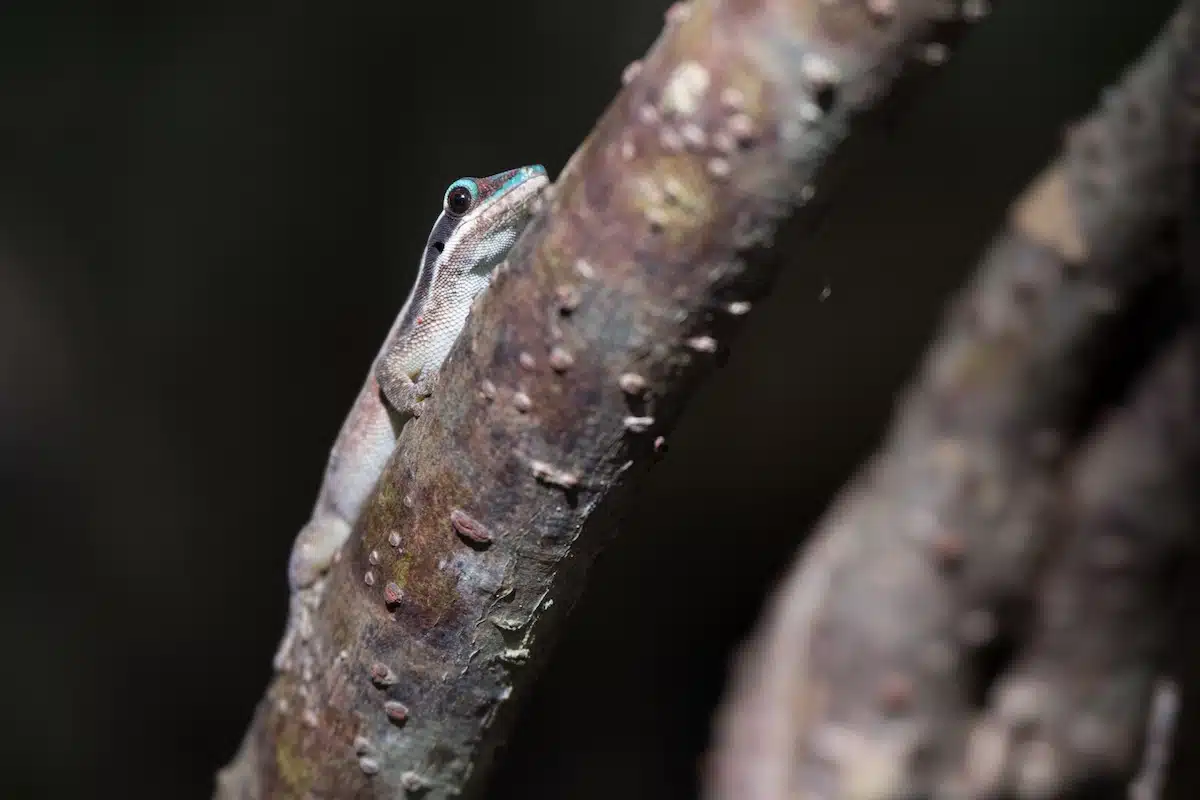
A 26-hectare coral-limestone islet 850 metres offshore, leased and managed by the Mauritian Wildlife Foundation, holding the last remnant of Mauritius’s dry coastal forest. The guided walk runs about 90 minutes on uneven coral rag: Aldabra giant tortoises grazing loose in the undergrowth, pink pigeons, Mauritius fody, Telfair’s skink, ornate day geckos.
Your entry fees fund the field programme that keeps the island functioning. For most children, this is the animal day of the trip. Comfortable trainers make this one smoother for everyone, grandparents included.
In the afternoon, the captain invites you for a barbecue lunch on an islet, and the best snorkelling on the island.
This is also the day to get in the water. The lagoon here is sheltered and clear, and the water around the islet is good snorkelling, best earlier in the day before the wind gets up. Children who spent the morning looking at tortoises tend to be very willing to spend the afternoon looking at parrotfish.
Evening. Back at the villa by late afternoon.
Day 9 — Whichever Day You Liked Best
The last full day, left open on purpose. Nine days in, most families have found the one thing they want more of: a particular stretch of beach, the snorkelling off the reef, the kids’ club, a table at one of the restaurants. This day is here so you can do it a second time rather than add something new.
Day 10 — Departure
Breakfast, a last swim, and a private transfer to SSR International Airport, roughly an hour.

Belle Mare is the quiet side of Mauritius. A long run of white sand on the east coast, backed by casuarinas and sugar cane rather than by a strip of bars, with an offshore reef holding the lagoon flat and shallow the whole way along. The trade winds reach this coast, which keeps the afternoons fresh and the mornings still, and is why the guided days in this itinerary start early. The resort occupies two kilometres of that beach, and the villas come with a private pool and garden.
Service is the reason it works for three generations. Each villa comes with a villa master, the person who books the golf, arranges the babysitting and seats nine at short notice. The kids’ club takes four to elevens, seven restaurants and six bars mean nobody eats the same dinner twice, and two 18-hole courses, the Legend and the Links, sit on the estate. Constance is a Mauritian company, and this is where it began, in 1975.
The property holds Green Globe Platinum, awarded only after ten consecutive years of certification, and the substance behind it is operational rather than decorative: an in-house bottling plant that took PET out of the rooms, large-scale composting, hourly energy monitoring by department, and a regional food-waste programme the hotel leads. Booked on bed and breakfast, deliberately, so the group eats together in the morning and has options to choose from at night.


From the moment you land to your final departure, your comfort is taken care of. This itinerary includes:
- Private airport transfers in a comfortable, air-conditioned vehicle.
- All transfers to and from your daily experiences with our professional, local driver.
- A dedicated Mauritius Conscious Travel contact available 24/7 to ensure your journey is flawless.

Can we change the itinerary?
Yes, and most families do. This is an inspirational starting point rather than a fixed departure. Days can be swapped, dropped or extended; the villa can go from two bedrooms to three, and the exploration days can be split so part of the group goes and part stays. Tell us the ages travelling, and we will build around them.
What is the minimum age for the mangrove kayaking?
Children can join from age five, sharing a double kayak with a parent. That implies one paddling adult per young child, so it is worth checking against your group’s ratio before you book. The Constance Kids’ Club takes children aged four to eleven separately, with babysitting available.
Is Île aux Aigrettes manageable for older visitors?
The guided walk lasts about 90 minutes on coral rag, raised reef rock that is uneven underfoot rather than a made path. Closed sports shoes make it comfortable for most people.
Will we actually get to plant trees?
Planting season at Ebony Forest runs roughly January to April. Outside those months, participation is invasive-species weeding or nursery work, which is the reserve’s real bottleneck anyway. We confirm what is available in your specific month before you book, not after.
When should we travel?
Cyclone season runs November to April, most active January to March, and overlaps almost exactly with planting season. Most families take the settled weather and accept weeding over planting. If hands-on planting matters more to your group, we will say so plainly when you enquire.
Are meals included?
Breakfast only. The resort has seven restaurants and six bars, and the villa gives you somewhere to eat separately when a family of eight does not want a formal dinner for the ninth night running. Lunches and dinners beyond those noted in the itinerary are not included.
Is everything private?
Transfers and ground transport are private throughout, and guiding is by local guides.
Unless explicitly booked on a fully private basis, all experiences are shared with other travellers in a small group.
What is included
- 9 nights stay in a villa at Constance Belle Mare
- Daily breakfast
- Guided walking tour of Port-Louis
- Sea kayaking experience at Amber Island
- Traditional Sailboat Experience with BBQ lunch
- Visit at Chamarel 7 Coloured Earth
- Guided hike at Ebony Forest Reserve
- Visit at Rhumerie de Chamarel with rum tasting
- Private transfers
Experiences in this trip
Call or Whatsapp us for inquiries about our journeys.
Email us your travel inquiry.
Vivea Business Park, Moka. Mauritius Island.